Ms Rachel

Ms Rachel

· YouTube

Slow, warm talk straight to camera, with songs in between.

Slow, warm talk straight to camera, with songs in between.

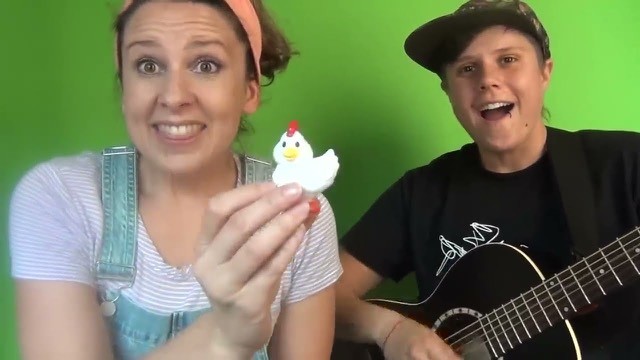
Ms Rachel sits in a bright room full of toys and talks straight to the camera. It plays the way you would talk to a child on the rug in front of you. Herbie, a puppet, turns up alongside her. A session is mostly songs and nursery rhymes with talk in between, and it runs around half an hour. Some sessions stay in that room the whole way. Others cut out to filmed footage. She speaks slowly, leaves a gap where a child would answer, then says the word again.

Ms Rachel sits in a bright room full of toys and talks straight to the camera. It plays the way you would talk to a child on the rug in front of you. Herbie, a puppet, turns up alongside her. A session is mostly songs and nursery rhymes with talk in between, and it runs around half an hour. Some sessions stay in that room the whole way. Others cut out to filmed footage. She speaks slowly, leaves a gap where a child would answer, then says the word again.

Analyzed by KidSight

WHAT IT MEANS AT EACH AGE

0–2

Good fit

Not one session reads as poor at this age, and most of them read as a good fit. What settles it is the delivery. She talks slowly and clearly, leaves a gap where a child would answer, then says the same word again. One thing happens on screen at a time, and the sound stays quiet underneath it. The physical bits stay small too: a wave, a clap, hands in the air, all of it doable sitting down. The length is the part to plan around. Most sessions run around half an hour, which is longer than a two-year-old sits. It is nearly all songs and short bits, so stopping halfway costs nothing.

3–5

Good fit

Nothing reads as poor at this age either. Many sessions read as a good fit and the rest read as fine. What separates them is how much of the material is already familiar. The letters, the colours and the counting songs sit at the easy end for a four-year-old. The ones that keep landing have something real going on in them. The farm animals, the trucks and diggers, a song with actions to copy. Half an hour in one go is also a length a four-year-old can manage.

6–8

Too old

Most sessions read as poor at this age. Nothing in them is a problem for a seven-year-old. There is also not much in them for one. The words are early words, said slowly, with a pause left after each one. A seven-year-old already has those words, so the pause has nothing to fill it. The handful that still hold up here are the ones where something is happening on screen, the animals and the diggers rather than the songs.

9–10

Too old

Nearly every session reads as poor here, and none of that is a knock on it. Half an hour of slow, simple talk and nursery rhymes has very little left in it for a nine-year-old. Nothing in it would trouble them. There is just nothing there for them to do.

WHAT IT’S ABOUT

Farm animals

Trucks and diggers

Music

WHAT IT TEACHES

Warmth between people

Early reading

Colours and shapes

WHAT TO KNOW

A channel end-card, once

SUMMARY

Warmth between people is the strongest thing in it, and it runs high through most of the sessions. Someone talks to a child as though the child were right there, waits for an answer, then answers back. Everything else sits underneath that. Early words and letters, colours and shapes, counting songs, all of it slow enough to follow. The trade is range. Going slow enough to land at age two is the same thing that has it sitting easy by age four and finished by age six. The other trade is the clock, since most sessions run around half an hour and only a few are short.

Stop guessing. Start knowing.

Build your kid’s lineup now.

Background Image

Stop guessing. Start knowing.

Build your kid’s lineup now.

Background Image

Stop guessing. Start knowing.

Build your kid’s lineup now.

Background Image