Healthy Media Habits
Co-Viewing: The Screen Time Fix Most Parents Overlook
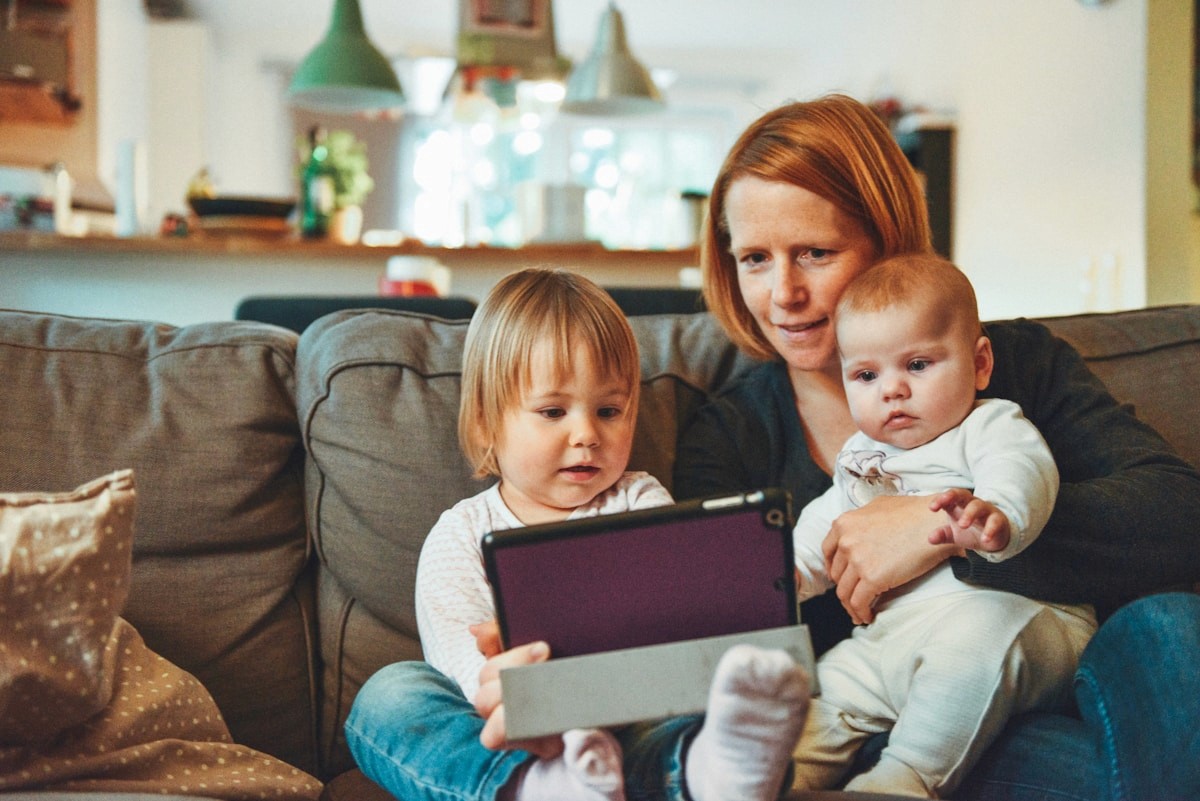
A 2025 research synthesis published in Pediatric Research found that when parents watch alongside their kids, screen time outcomes flip. Aggression drops. Sleep improves. Parent-child bonds get stronger. Attention and resilience go up. These protective effects held across age groups and content types (Pediatric Research / Nature, 2025).
The single most effective co-viewing screen time intervention isn't an app, a timer, or a strict no-screens-before-dinner rule. It's you, on the couch, next to your kid.
Researchers call it co-viewing. Most parents have never heard the term. But the evidence behind it is stacking up fast, and the new AAP guidelines now list caregiver involvement as a core pillar of healthy media use.
What the Research Says About Co-Viewing Screen Time
The co-viewing evidence base grew significantly in 2025 and 2026. Multiple studies landed on the same conclusion: what a parent does during screen time matters more than how long the screen stays on.
The Pediatric Research synthesis pulled together data on screen time interventions and found that co-viewing consistently produced the strongest protective effects. Kids who watched with a parent showed better emotional regulation, fewer behavioral problems, and stronger language development compared to solo viewers, even when total screen time was identical (Pediatric Research / Nature, 2025).
A separate 2025 study in the Journal of Medical Internet Research looked at families in resource-limited settings and found the same pattern. Co-viewing and parental content selection were more effective at protecting against negative screen time effects than time limits alone (JMIR, 2025). That's worth repeating: watching with your kid did more good than cutting minutes.
The mechanism is straightforward. When you watch with your child, you naturally do what developmental scientists call "scaffolding." You ask questions. You point things out. You connect what's happening on screen to real life. "Look, that bird is like the one we saw at the park." That kind of interaction transforms passive consumption into active, dialogic learning.
Research on white matter development in young brains backs this up. Co-viewed educational content doesn't carry the same developmental risks as solo passive viewing. The screen itself isn't the variable. The presence of an engaged adult is.
What Co-Viewing Actually Looks Like by Age
Co-viewing doesn't mean hovering over your child's shoulder narrating every frame. It means being present, engaged, and occasionally interactive. What that looks like shifts as your kid grows.
With a toddler (ages 1-3), co-viewing is active. You're sitting together, commenting on what you see, naming things on screen, asking simple questions. "What color is that? Where did the dog go?" This age group gets the biggest boost because their brains are in the steepest language acquisition window. A show like Sesame Street becomes a different experience entirely when a parent is there to bridge the content to real life.
With a preschooler (ages 3-5), co-viewing shifts toward conversation. You can ask what they think will happen next, talk about how a character is feeling, or connect the story to something in their own day. This is where social and emotional learning kicks in. Kids at this age are building their understanding of emotions, fairness, and friendship. Screen content becomes a sandbox for those conversations when a parent is in the room.
With an older kid (ages 5-8), co-viewing is more about shared experience and media literacy. You can start having real conversations about what's real vs. pretend, why certain characters make bad choices, or what a show is trying to sell them. This is the age where you ask, "Do you think that's true?" about the content they consume, building critical thinking that will serve them for years.
Why Most Parents Aren't Co-Viewing
If co-viewing is so effective, why isn't everyone doing it? Because modern parenting runs on borrowed time.
A Pew Research Center report from October 2025 surveyed American parents about how they manage screen time and found a clear gap: most parents worry about screens, but relatively few co-view regularly (Pew Research Center, October 2025). The disconnect is about capacity, not willpower. Parents hand their kid a screen precisely because they need 20 minutes to cook dinner, answer emails, or just sit in silence for a moment. Telling them to now also sit and watch Bluey feels like adding one more thing to the pile.
That's a fair point. Co-viewing every single screen time session isn't realistic for most families. The research doesn't demand perfection. Even partial co-viewing (sitting in for the first five minutes, checking in during the middle, talking about the show afterward) moves the needle.
The goal isn't to make screen time another parenting performance. It's to shift from "here, watch this" to "let's watch this together" when you can. Even two or three co-viewed sessions per week changes the dynamic.
A Simple Co-Viewing Checklist
When you do sit down with your kid, here's how to make those minutes count:
Pick something worth watching together. If the content is junk, co-viewing can't save it. Start with a video you'd actually enjoy sitting through. Knowing a video's quality ahead of time helps. KidSight scores videos across developmental factors like pacing, language exposure, and emotional tone, so you can pick content built for learning rather than content that just claims to be educational.
Comment, don't quiz. Narrate what you see. "Oh wow, she looks really sad." This works better than rapid-fire questions, especially for younger kids.
Connect screen to real life. "Remember when we made cookies like that?" These bridges help kids transfer what they see on screen into their actual world.
Let them lead sometimes. If your kid wants to rewatch the same episode for the fourth time, go with it. Repetition is how young brains consolidate learning.
Talk about it after. A two-minute conversation about what they watched, at dinner, in the car, before bed, extends the value of that screen time session well beyond the screen itself.
The Real Screen Time Lever
Parents have been sold a false binary: screens are either good or bad, and the only tool you have is the off switch. The research tells a different story. The strongest predictor of whether screen time helps or hurts your child isn't the number of minutes. It's whether someone who loves them is paying attention.
Co-viewing won't eliminate the guilt. Parenting is too complicated for that. But it's the closest thing the research has found to a universal screen time upgrade, and it costs nothing but your presence.
More from KidSight
Research-backed insights on screen time, child development, and making better media choices for your kids.