Screen Time Science
Screen Time and School Performance: What a Major Study Found
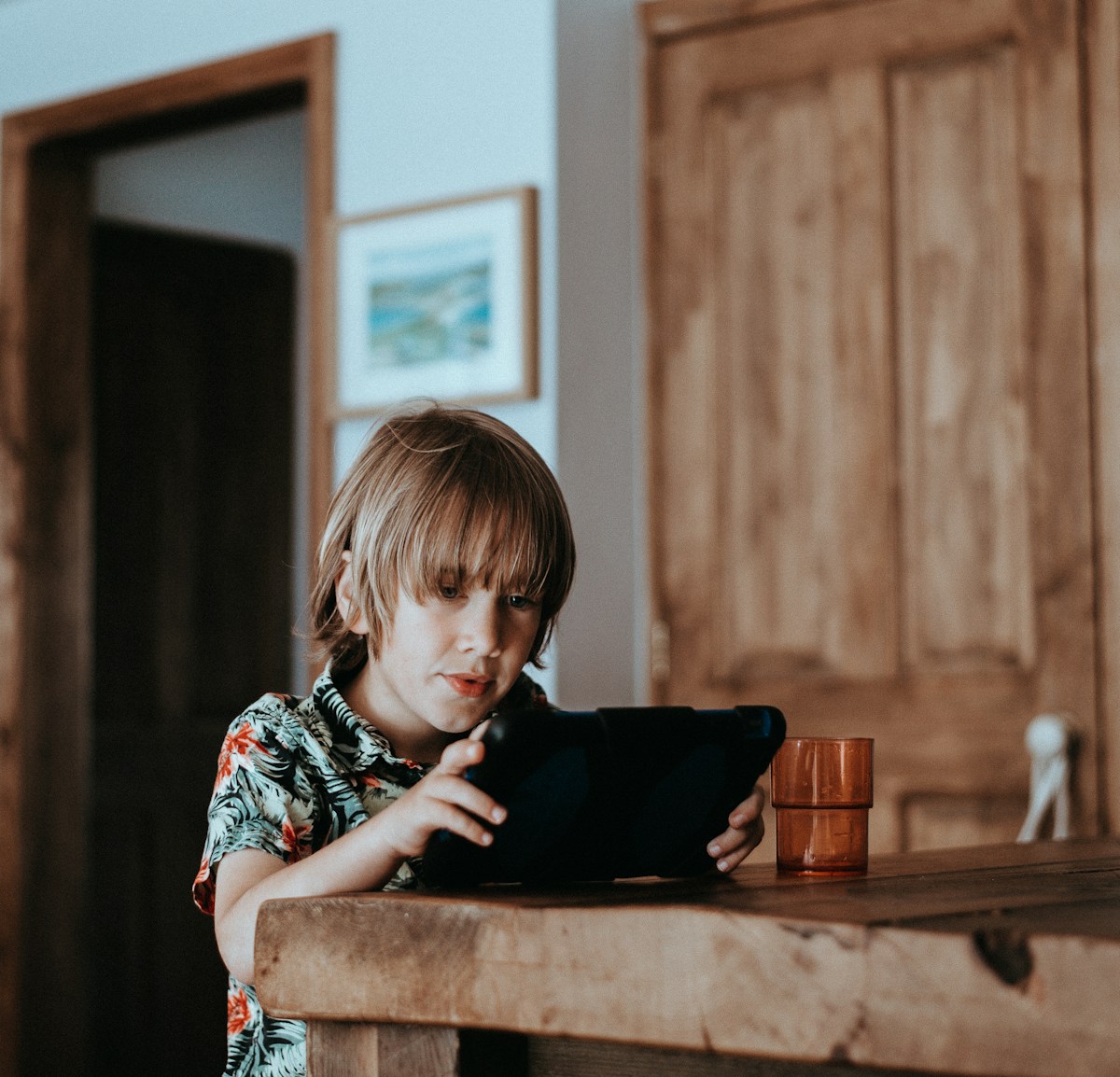
Researchers at The Hospital for Sick Children in Toronto tracked more than 3,000 kids from early childhood through elementary school, measuring how much screen time they got as young children and then checking their academic performance years later. The results, published in JAMA Network Open, are the kind of data that changes how you think about your toddler's iPad time.
Each additional hour of daily screen time in early childhood correlated with a 9-10% lower likelihood of reaching higher academic levels in math and reading by grades 3 and 6. That's not a headline someone dressed up. That's what the numbers showed.
What This Study Actually Measured
Most screen time studies are short-term. Researchers watch kids for a few weeks, maybe a few months, and report what they see. This one did something different.
The team collected screen time data during early childhood and then waited years to see what happened academically. They measured standardized academic outcomes at two checkpoints, grade 3 and grade 6, using assessments from Ontario's Education Quality and Accountability Office. The study tracked children from 2008 through 2023 as part of TARGet Kids!, a collaborative research network co-led by Dr. Catherine Birken at SickKids and Dr. Jonathon Maguire at Unity Health Toronto's St. Michael's Hospital (Scienceline, 2026).
With more than 3,000 children in the sample, this isn't one of those 40-kid lab experiments that gets breathless media coverage and never replicates. It's the kind of cohort study that lets researchers control for confounding variables and draw real conclusions.
For grade 3 data, screen time was measured when children averaged about 5.5 years old, with an average daily screen time of 1.6 hours. For grade 6 data, screen time was measured at around age 7.5, with an average of 1.8 hours per day (JAMA Network Open, 2025). Those numbers sound modest. What came next was anything but.
What 9% Per Hour Actually Means
Each additional hour of daily screen time was tied to a 9-10% lower likelihood of hitting higher academic benchmarks in both math and reading.
To put that in context: if one toddler watches an hour a day and another watches three, that two-hour gap translates to roughly an 18-20% difference in their odds of reaching higher academic levels by third grade. And that gap didn't close. It was still there in grade 6.
The researchers controlled for socioeconomic status, parenting factors, and other variables that typically complicate screen time research. The screen time effect held up on its own, which is what makes this study harder to wave away than most.
One unexpected wrinkle: young girls who played video games showed stronger negative effects on later reading scores compared to boys, particularly by grade 3. The researchers didn't have a definitive explanation, and the finding needs more study. But the primary result, that more early screen time was associated with weaker academic performance, applied regardless of gender.
Why the Early Years Carry More Weight
If your kid is already in elementary school, this study isn't a reason to panic. But if your child is between 0 and 5, the data suggests this window matters more than most parents realize.
Between birth and age 5, the brain is building its core wiring for attention, language processing, and executive function. These are the cognitive skills that later predict school performance. When a young child spends significant time watching fast-paced, passively consumed content, they're getting stimulation that doesn't ask their brain to do the heavy lifting that builds those neural pathways.
Dr. John Hutton, a pediatrician at Children's Medical Center in Dallas, put it bluntly: "At this age, the brain is still very plastic, and these early experiences will impact language and emotional skills" (Scienceline, 2026).
Think about the difference between a show that pauses and invites your toddler to respond (the structure of something like Blue's Clues, where pacing is built around interaction) and a YouTube compilation that cuts between clips every three seconds. Both register as "screen time" in any study. But they're shaping very different brains.
This JAMA study didn't separate results by content quality. It measured total screen time against later academic outcomes. That's actually useful information, because it means that even when some content is better than other content, overall volume still matters.
What You Can Actually Do With This
Most articles on screen time research hand you guilt and a kitchen timer. Here's what's actually actionable.
Pay attention to total hours. Even when your toddler watches high-quality shows, the cumulative time matters. The AAP's 2026 guidelines moved away from rigid time limits, but this study shows the instinct to keep an eye on the clock still has real data behind it.
Choose interactive content over passive content. Shows and apps that ask your kid to respond, point at the screen, sing along, or answer questions work their brain in ways that passive viewing doesn't. If screen time is happening, make it the kind that requires your child to participate.
Swap some screen minutes for real-world interaction. Replacing an hour of video with an hour of play, reading together, or even just conversation does more for cognitive development than the best educational app on the market. The unspoken variable in this study is what kids do instead when the screen goes off.
Evaluate specific videos instead of trusting channel names. A YouTube channel that makes good content can still publish a weak video. That's the problem with using a channel name as a proxy for quality. KidSight scores individual videos on developmental factors like pacing, language exposure, and cognitive load, so you're making informed decisions at the video level.
Where This Leaves Parents
This study arrives at a moment when the conversation about kids and screens is shifting. The AAP moved away from prescriptive time limits in early 2026, pushing parents toward a quality-first framework. And now a large-scale longitudinal study lands with a complementary message: quality matters, and quantity hasn't stopped mattering either.
Those two ideas work together. The best approach isn't zero screens, and it isn't unlimited access to "good" content. It's less time with better content, especially during the developmental window when your child's brain is doing its most intense construction.
The effects the researchers measured at grade 3 hadn't faded by grade 6. What happens in the early years carries forward into the classroom. That's not a scare tactic. It's data. And it tells you that the media choices you're making right now, while your kid is still young, carry more weight than you might think.
The window where those choices matter most is the one you're standing in.
More from KidSight
Research-backed insights on screen time, child development, and making better media choices for your kids.