SciShow Kids

SciShow Kids

· YouTube

Short explanations of how the real world works. Curiosity runs through every episode.

Short explanations of how the real world works. Curiosity runs through every episode.

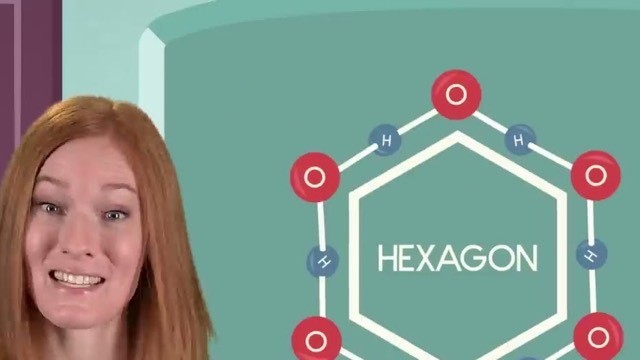
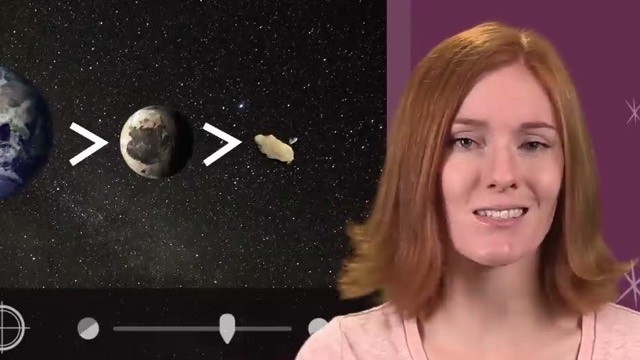
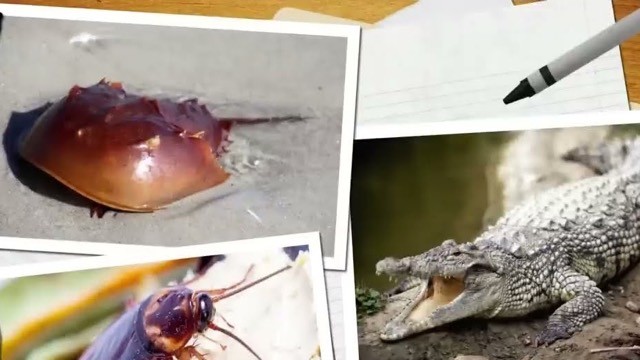
Jessi does most of the hosting, talking straight to camera, with Squeaks alongside. Each episode takes one question and works through the answer. The questions come from the natural world and from how everyday things work. Sam turns up now and then. Filmed footage sits alongside animation, so a good part of what you see is the real thing. There is no ongoing story, so any episode is a place to start. Episodes run about eight minutes and the tone stays bright.

Jessi does most of the hosting, talking straight to camera, with Squeaks alongside. Each episode takes one question and works through the answer. The questions come from the natural world and from how everyday things work. Sam turns up now and then. Filmed footage sits alongside animation, so a good part of what you see is the real thing. There is no ongoing story, so any episode is a place to start. Episodes run about eight minutes and the tone stays bright.

Analyzed by KidSight

WHAT IT MEANS AT EACH AGE

0–2

Too young

Every episode reads as poor at this age, and none of that is about safety. The talking runs at ordinary conversational speed, with no slowing down and no repeating. Most episodes are an explanation rather than a story, so there is no plot for a two-year-old to hold on to. What is left for them is a friendly face and some footage of animals. They will watch it happily. They are watching the animals and the movement, not the answer.

3–5

A little young

Nothing drops out at this age. Almost every episode reads as acceptable, and only a handful are a genuine fit. A four-year-old follows the filmed footage easily enough, and the pace stays even the whole way through. What sits above them is the explanation, which is most of the episode and leans on words that arrive later. They get the animal. They miss why it does what it does.

6–8

Good fit

This is the age it fits. All but one episode is a genuine fit here. An episode runs about eight minutes and stays on a single question the whole way, which is about the length a seven-year-old will sit for. The words land at age level, and the explanation is the episode rather than a lesson tacked on at the end. A seven-year-old gets the whole answer, start to finish, in one sitting.

9–10

A little old

It keeps working at age nine. A handful of episodes are still a genuine fit, and nearly all the rest read as fine rather than a draw. The explanations stop at the first answer, and a nine-year-old is usually onto the next question by then. Nothing in it is a problem at this age. It has just been outgrown a little.

WHAT IT’S ABOUT

Wild animals

How machines work

Space

WHAT IT TEACHES

Curiosity about how things work

Facts worth keeping

Thinking it through

WHAT TO KNOW

Regular prompts to subscribe and comment

SUMMARY

Curiosity about how things work comes through in every SciShow Kids episode, and comes through strongly in all but one. Facts worth keeping and thinking an answer through follow behind it. Episodes are short, most finishing inside ten minutes. Each one holds a single question the whole way, so it gets asked and answered before anyone gets restless. What the show gives up for that is story. There is almost no plot to follow, and very little going on between the characters. The question has to carry the episode on its own. At age seven it does, and that is the trade for being an explanation rather than a story.

Stop guessing. Start knowing.

Build your kid’s lineup now.

Background Image

Stop guessing. Start knowing.

Build your kid’s lineup now.

Background Image

Stop guessing. Start knowing.

Build your kid’s lineup now.

Background Image